





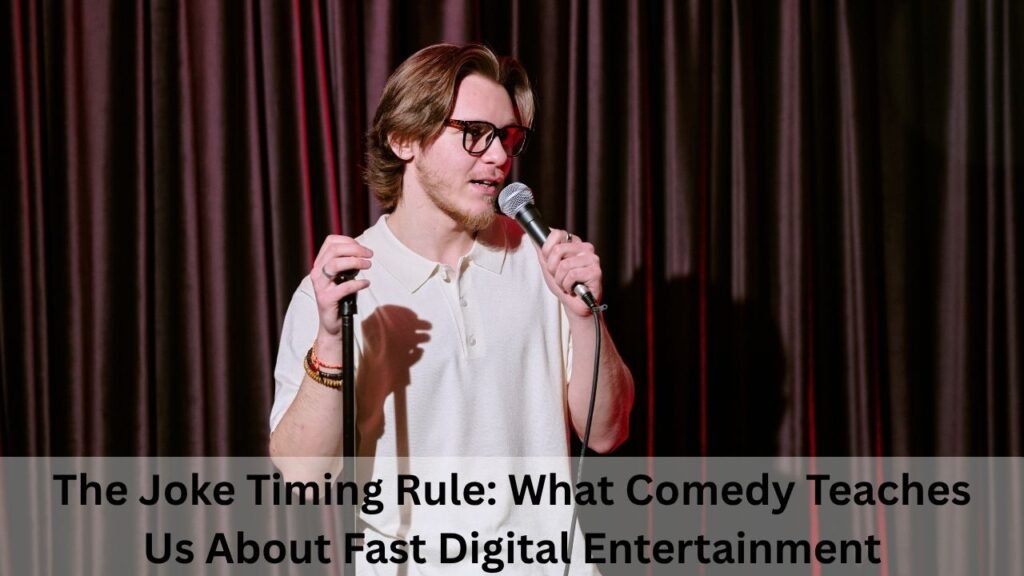
Comedy may seem simple, but timing makes it work. A good setup lets people expect one ending, then the punchline shifts the direction. Fast digital entertainment follows a similar rhythm. The screen moves quickly, yet viewers still need a brief pause before the result. That beat helps the moment feel clear rather than random. Comedy, sports, cinema, acting, and fast screen formats all use the same pattern: setup, tension, reaction, and release.
The Pause Before the Punchline
When fast digital formats are viewed through timing, surprise, and screen tension, desi crash duel x can be discussed as part of a wider entertainment pattern where attention builds before the result is known. The experience becomes easier to follow when the viewer can sense the setup, understand the visual cue, and wait for the outcome with clear focus.
A joke works in stages. First, it gives the audience a direction. Then it holds that direction for a moment. After that, it turns the expectation. Fast entertainment can use the same mental path. A viewer notices movement, reads the situation, waits for a shift, and reacts once the result appears.
The pause is not empty. It gives the mind time to prepare. In comedy, that preparation creates laughter. In fast digital entertainment, it creates focus.
Strong timing usually depends on:
- A clear setup that tells the audience where to look.
- A short delay that builds expectation.
- A result that arrives before attention fades.
- A visible reaction point that makes the moment easy to understand.
- A clean ending that lets the viewer process what happened.
This pattern is compact, but it can make entertainment feel organized instead of rushed.
Why Comedy Teaches the Brain to Wait
Comedy trains the audience to enjoy prediction. When a joke begins, listeners start building a likely ending. The fun often comes when the actual ending bends that prediction. The surprise feels pleasant because the setup made the mind work first.
That mental movement matters in fast entertainment too. People enjoy a moment more when they can predict just enough to care. If everything happens too quickly, the result may pass before the viewer has any emotional connection to it. If the setup lasts too long, attention can weaken. The best timing sits between those two extremes.
A well-paced joke understands that the audience needs a path. A strong digital moment needs the same thing. The screen should help the viewer read what is happening, sense what could happen next, and react when the result arrives.
Comedy also shows why clarity matters. A confusing setup weakens the punchline. In the same way, a crowded screen or unclear cue weakens a fast result. The viewer should not spend the whole moment trying to decode the basics. The fun starts when the structure is easy to follow.
Actors Know When to Hold Back
Actors understand that timing is not only about speed. Sometimes the strongest reaction comes from restraint. A comedian may pause before a punchline. A film actor may hold a look before speaking. A stage performer may let the room become still before delivering the next line.
That pause gives the audience room to lean in. It makes viewers search the face, posture, or voice for meaning. When the line finally comes, it feels stronger because the moment has been prepared.
Sports and Cinema Add Pressure to the Timing Rule
Shows time in sports under stress. The weight of a few seconds falls on the audience before a penalty kick or final shot or match point. The action has yet to occur, but the body language has already been acted out. A slow breath, a fixed stare, a small adjustment – they can sense the tension before the move.
The same rule is applied to cinema. A close-up could be held before a reveal, a cut delayed before an action, or a moment of silence before a character answers. The person looking at the picture reads it and awaits the next person’s turn.
Comedy, sports, and cinema often use similar tools:
- A setup that makes the coming moment clear.
- A pause that lets emotion build.
- A visible signal that guides attention.
- A result that changes the feeling of the scene.
- A reaction that helps the audience understand the release.
This is why timing feels familiar across different types of entertainment. A punchline, a goal attempt, a movie reveal, and a fast screen result all depend on the same emotional curve.
Fast Screens Need a Clean Beat
Fast digital entertainment has limited time to make a moment clear. That makes structure more important, not less. Viewers need to see what matters, understand the cue, and recognize the result without confusion.
A clean beat can make even a short moment feel complete. It gives the viewer a beginning, a point of tension, and a release. Without that structure, speed can feel flat. With it, speed becomes easier to enjoy.
This is where comedy offers a useful lesson. A good joke does not explain every detail. It gives just enough information for the audience to follow the turn. Fast entertainment benefits from the same discipline. The screen should guide attention, not scatter it.
Clear visual focus, readable movement, and steady pacing can make short digital moments feel more human. They give viewers time to care about what happens next, even when the whole sequence lasts only a few seconds.
The Beat That Makes a Moment Land
The joke timing rule shows that entertainment does not depend on speed alone. It depends on the space before the release. A punchline needs a setup. A sports moment needs pressure. A movie reveal needs suspense. A fast digital format needs a readable beat before the result.
The strongest fast entertainment works like a good joke. It gives the audience just enough time to expect something, then lets the moment turn.